 sales@yiming-alu.com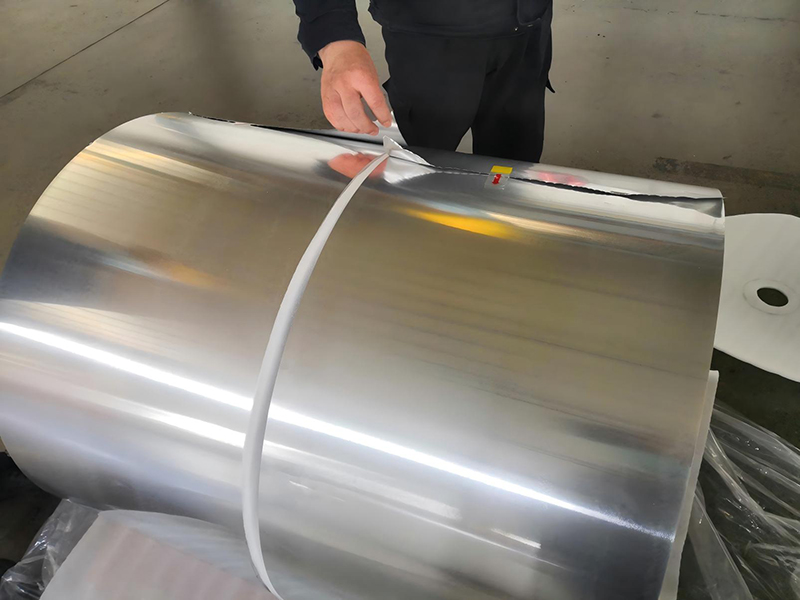
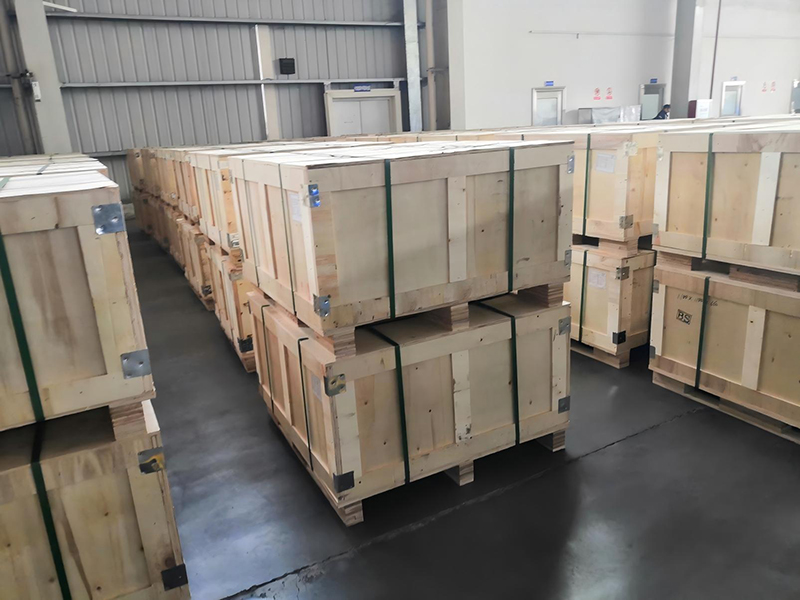
Introduction of 8011 H18 Aluminium Foil For Pharmaceutical Packaging
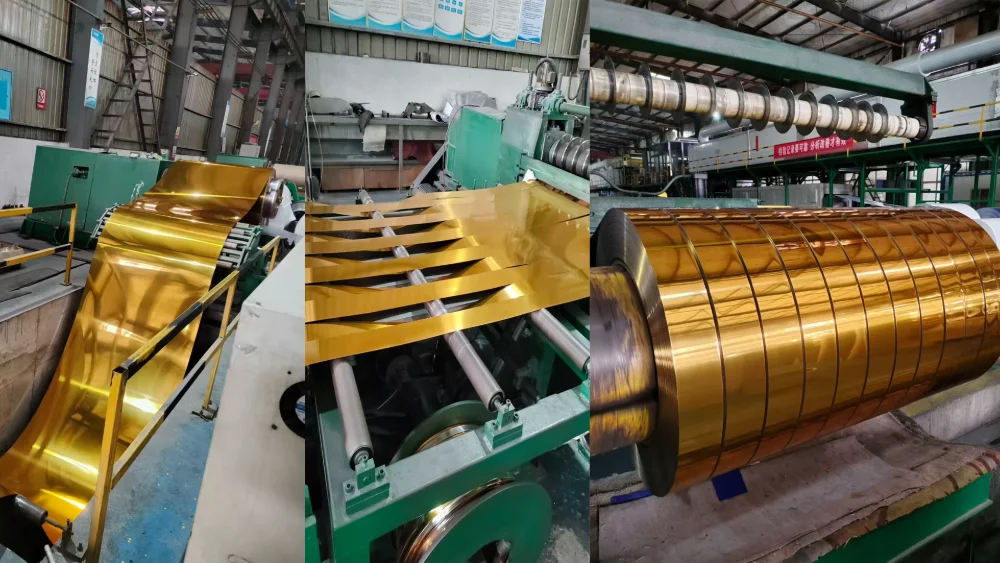
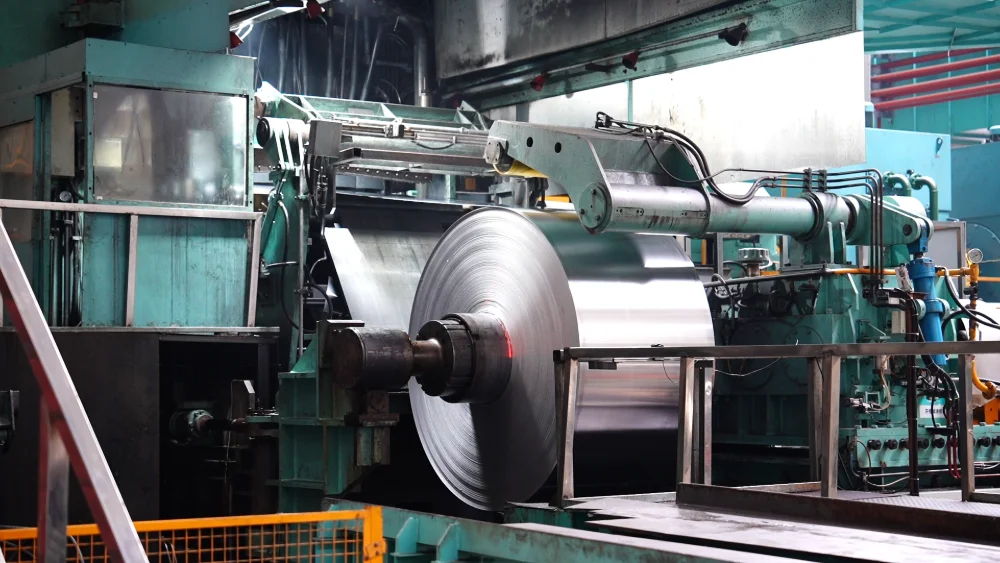
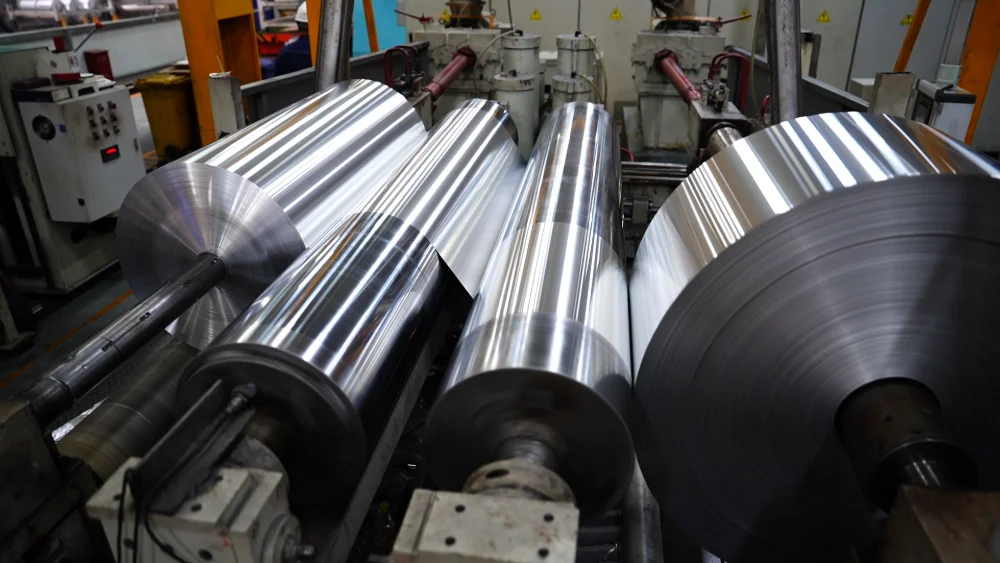
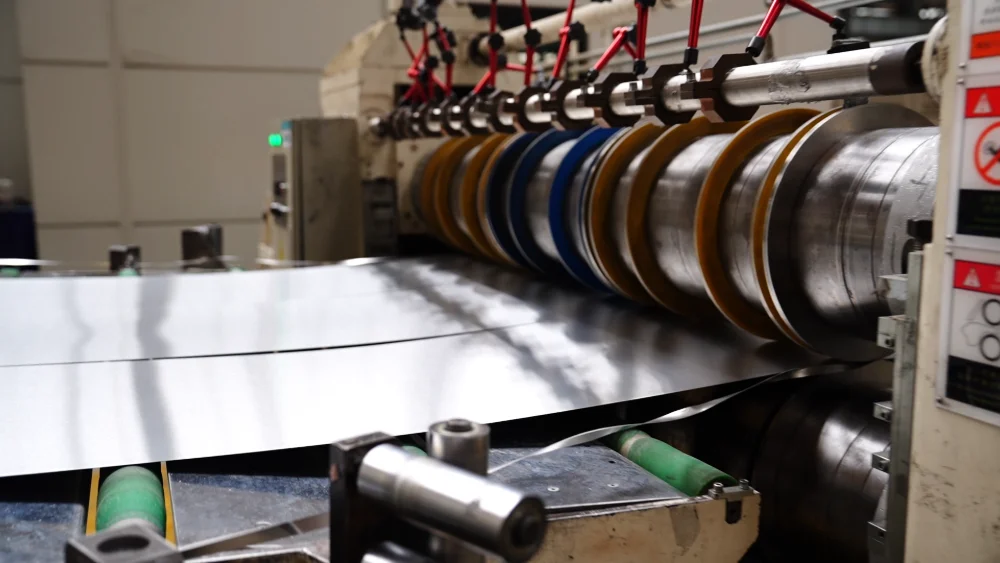
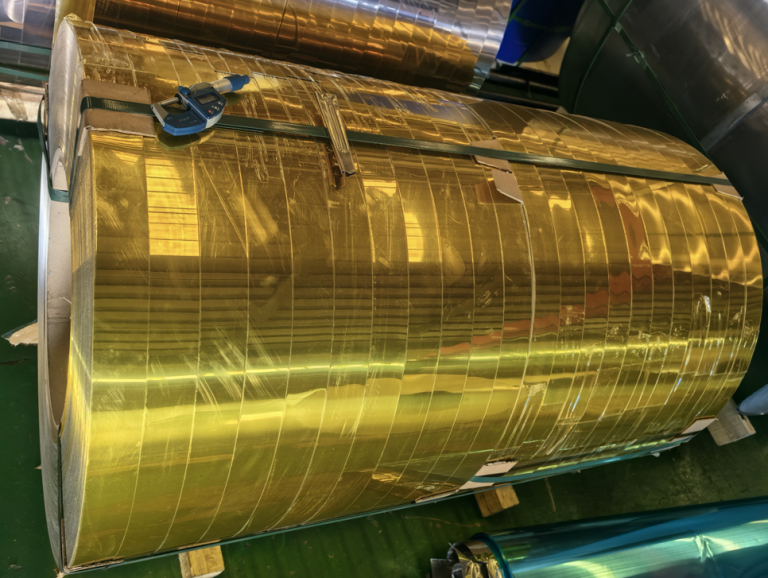
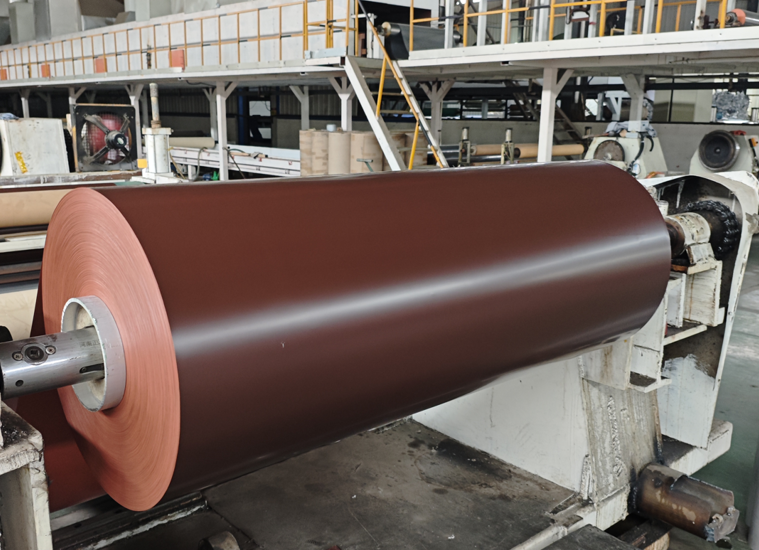
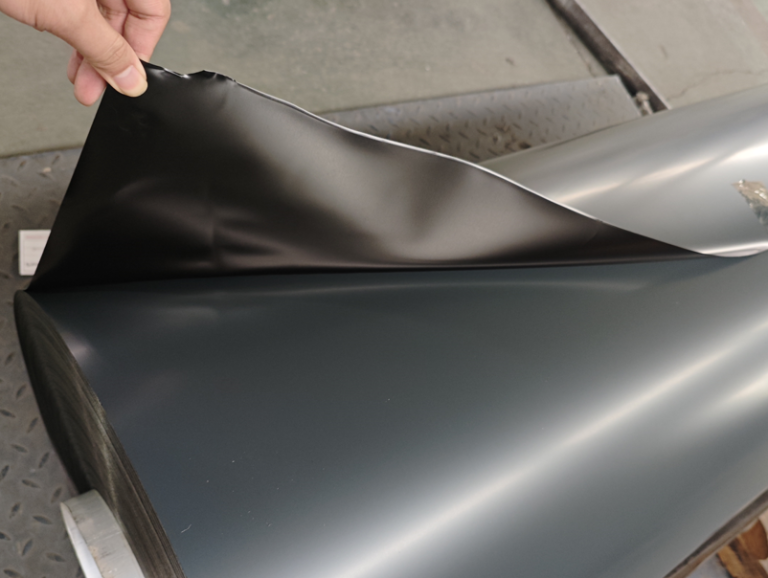
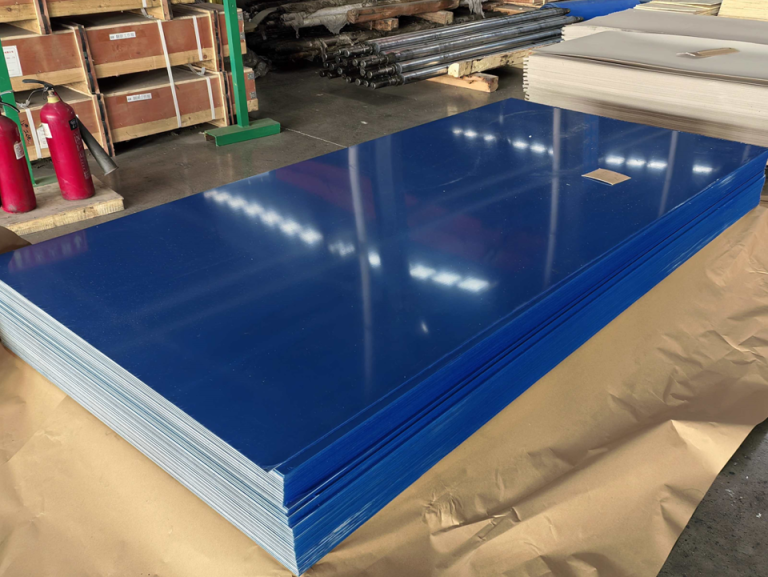
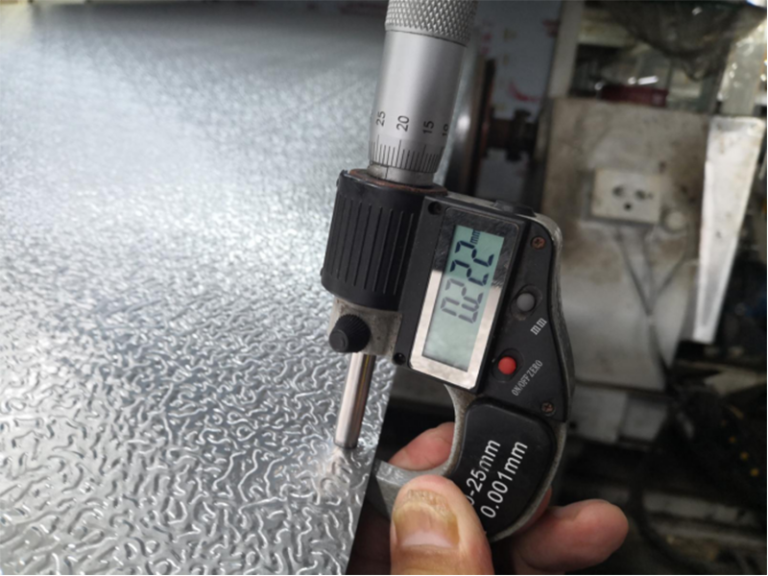
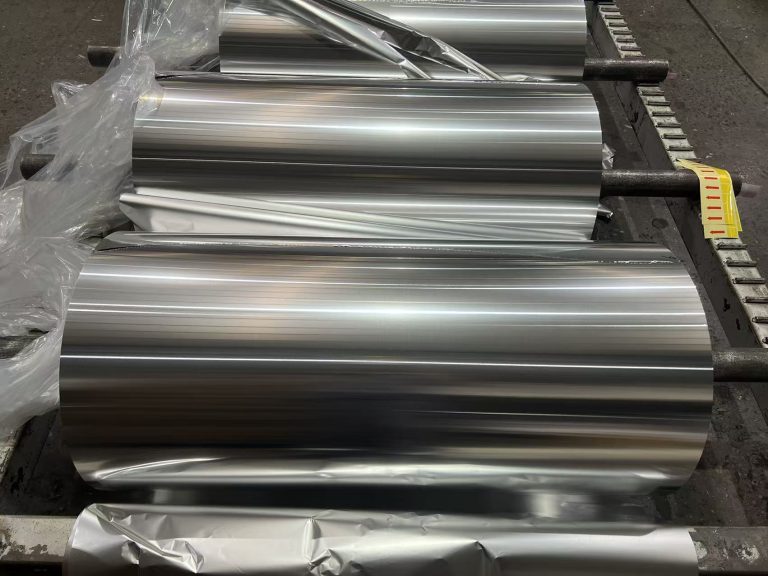
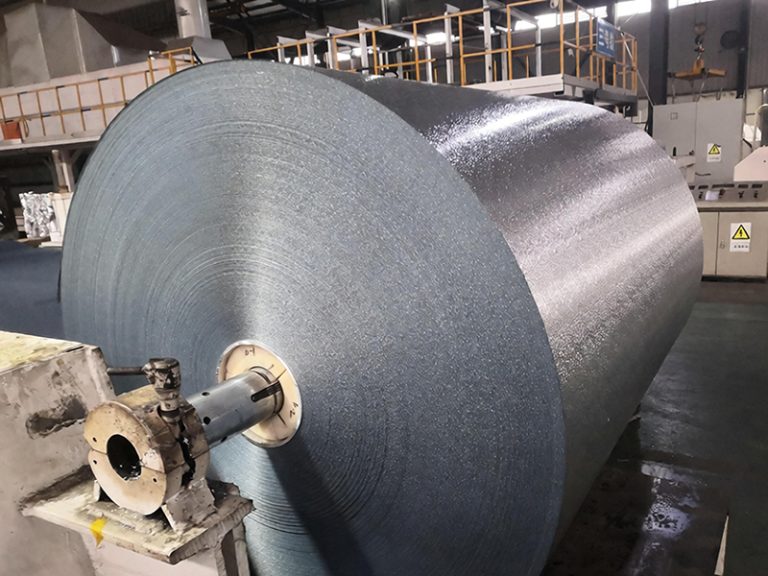
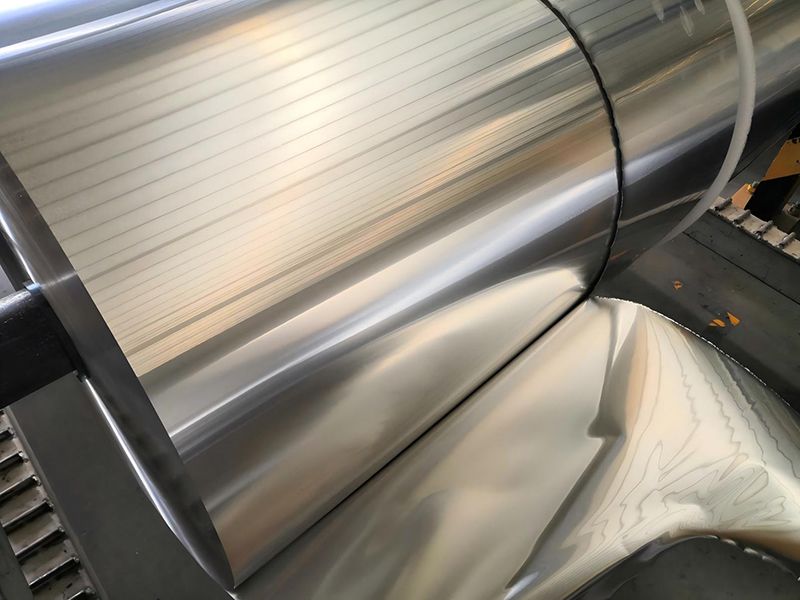
This product is an 8011-H18 alloy pharmaceutical aluminum foil substrate specifically designed for the pharmaceutical blister packaging (PTP, Press-Through Packaging) industry. It serves as the core sealing and covering material for packaging pharmaceuticals such as tablets, capsules, and pills. Made from 8011 aluminum-iron-silicon alloy, this product is precision cold-rolled to a thickness of 20 μm–30 μm and hardened to the H18 temper. It can be supplied directly to pharmaceutical packaging material manufacturers for further processing, such as printing, applying protective coatings, and heat-seal layers.
The 8011 alloy is produced by adding 0.50–0.90% silicon and 0.60–1.0% iron to pure aluminum. It is currently the most widely used and cost-effective mainstream substrate in the pharmaceutical blister packaging sector.
Key Performance Advantages of 8011 H18 Aluminium Foil For Pharmaceutical Packaging
1. Exceptional Barrier Properties—A “Metal Barrier” for Pharmaceuticals
As the core value of aluminum foil substrates, 8011-H18 provides virtually absolute protection:
Water vapor barrier: Water vapor transmission rate < 0.5 g/(m²·24h)
Oxygen Barrier: Oxygen transmission rate < 0.5 cm³/(m²·24h·0.1 MPa)
Light Barrier: 100% light blockage, completely blocking UV and visible light
This means pharmaceuticals are protected from moisture, oxidation, and photodegradation, effectively extending their shelf life. The dense metallic crystal structure of aluminum foil is the fundamental reason it achieves absolute physical barrier properties.
2. High Strength and Excellent Formability—Suitable for High-Speed Automated Production Lines
The H18 hard temper imparts high tensile strength (≥180 MPa) to the aluminum foil, making it resistant to cracking and breakage during the stamping and forming process on high-speed blister packaging lines. At the same time, the 8011 alloy has a high cup-and-dish value and excellent conformability, ensuring that the pressed blister cavities are uniformly shaped and reliably strong.
3. Extremely Low Pinhole Rate — Ensuring Barrier Integrity
8011-H18 pharmaceutical aluminum foil undergoes rigorous pinhole testing. With an extremely low number of pinholes and microscopic pore sizes, it eliminates the risk of gas and moisture penetration caused by pinhole defects, fundamentally ensuring the integrity of the sealing system.
4. High Heat-Seal Strength — Reliable and Secure Sealing
A heat-seal layer can be firmly applied to the aluminum foil surface, forming a uniform, high-strength heat-seal bond with rigid plastic sheets such as PVC and PVDC. This eliminates issues such as incomplete or leaky seals, ensuring that every medication is securely sealed.
5. Clean Surface — Suitable for Printing and Coating Processes
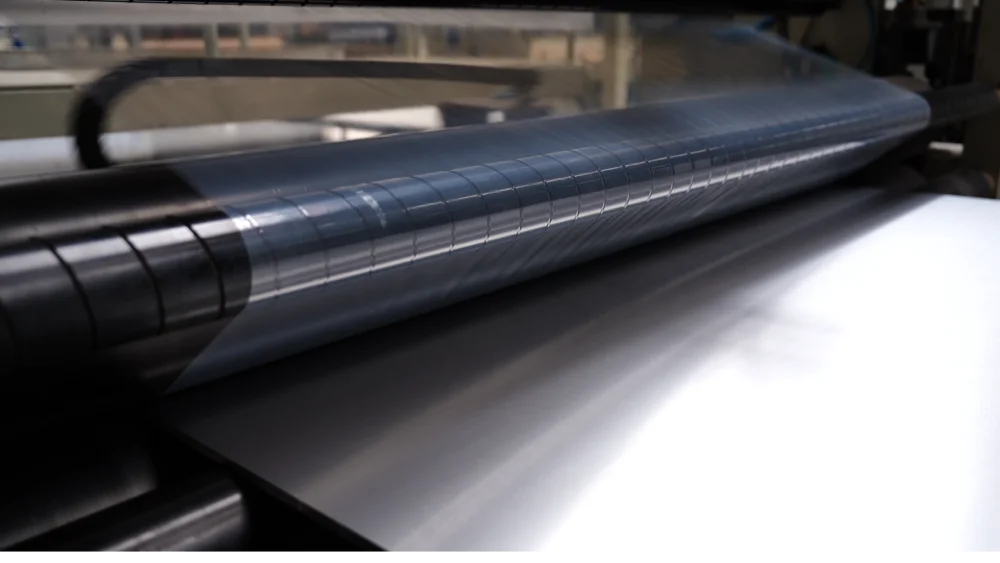
The substrate surface is free of oil stains, scratches, and mottling, with excellent flatness. This ensures uniform ink coverage during printing and strong coating adhesion, providing an optimal processing foundation for the subsequent application of protective and heat-seal layers, as well as the printing of brand information.
6. Safety and Compliance
The product is non-toxic, odorless, and free of harmful substance migration. It complies with the requirements for metal materials used in pharmaceutical packaging set forth in the *Pharmacopoeia of the People’s Republic of China* and meets international food safety standards such as those of the FDA.
Typical Applications
Pharmaceutical blister packaging (PTP) is the core application area, including:
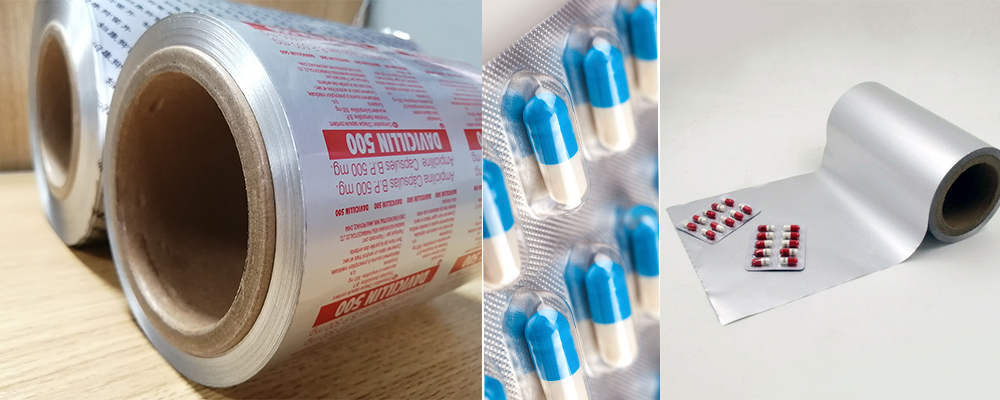
Tablet blister packs: The aluminum foil is heat-sealed to a rigid PVC sheet to form individual sealed blisters, protecting tablets from moisture, oxygen, and light.
Capsule blister packs: Also suitable for the blister sealing of capsules.
Candy and food blister packaging: Its high barrier properties help preserve the taste and quality of food products.
This material is commonly used in the following composite structure:
Printing layer + 8011 aluminum foil substrate + protective layer + heat-seal layer
During use, the aluminum foil is placed over the plastic blister filled with medication as a lid material. It is heat-sealed to form a tight bond with the rigid sheet. Patients can simply press the blister to “break through” the aluminum foil and remove the tablet, making it convenient and hygienic