 sales@yiming-alu.com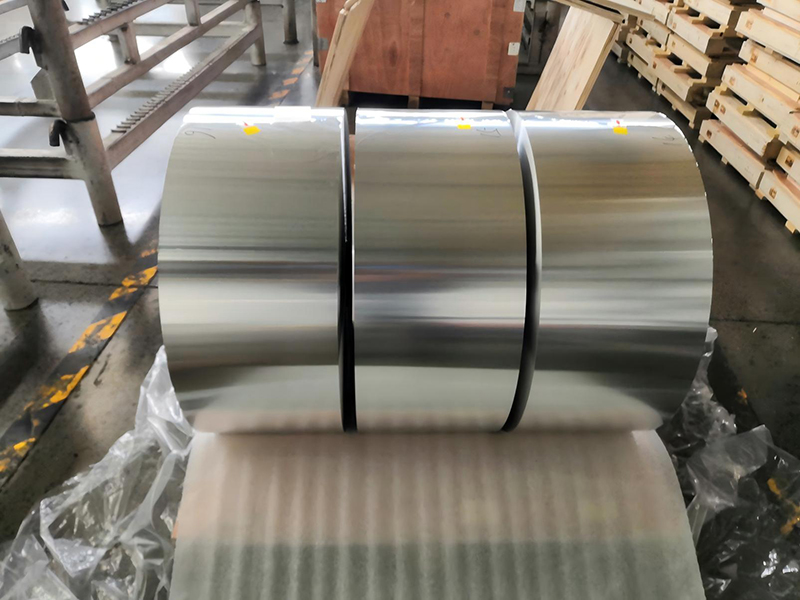
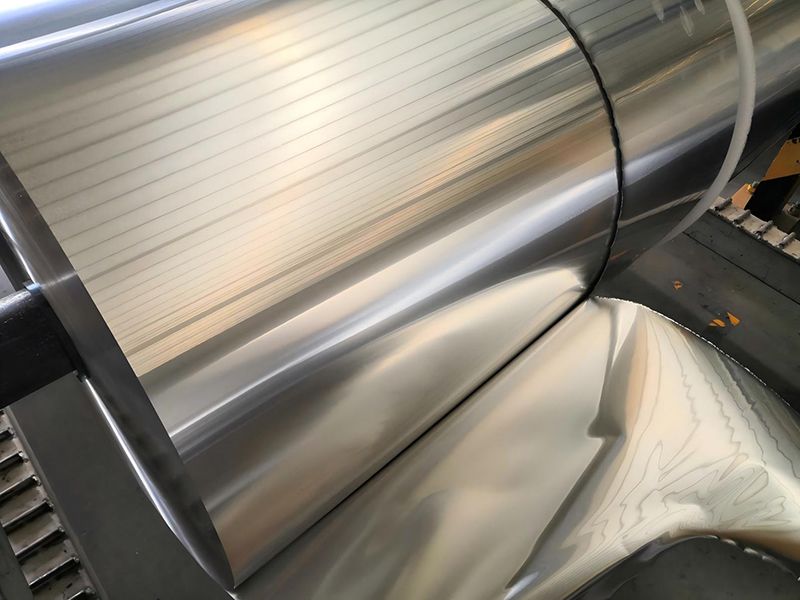
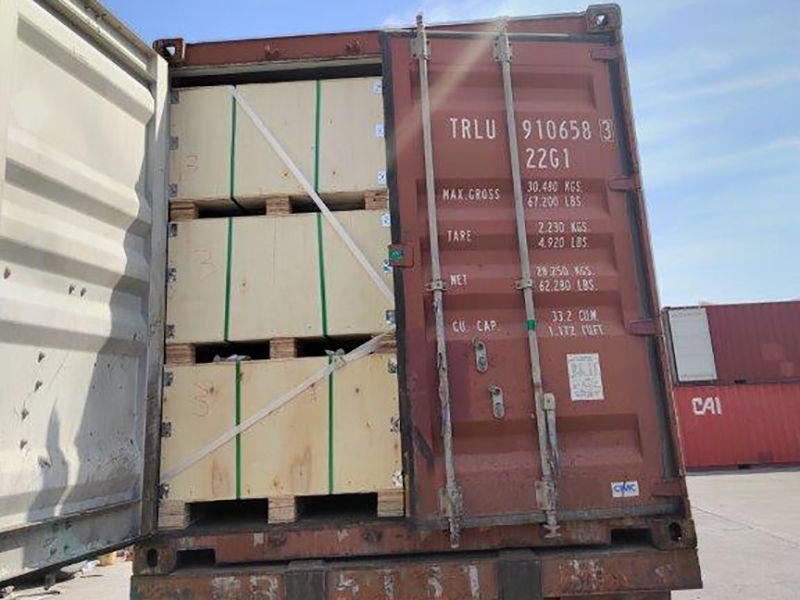
Introduction of 6/6.5 mic aluminum foil for VAPOR BARRIER
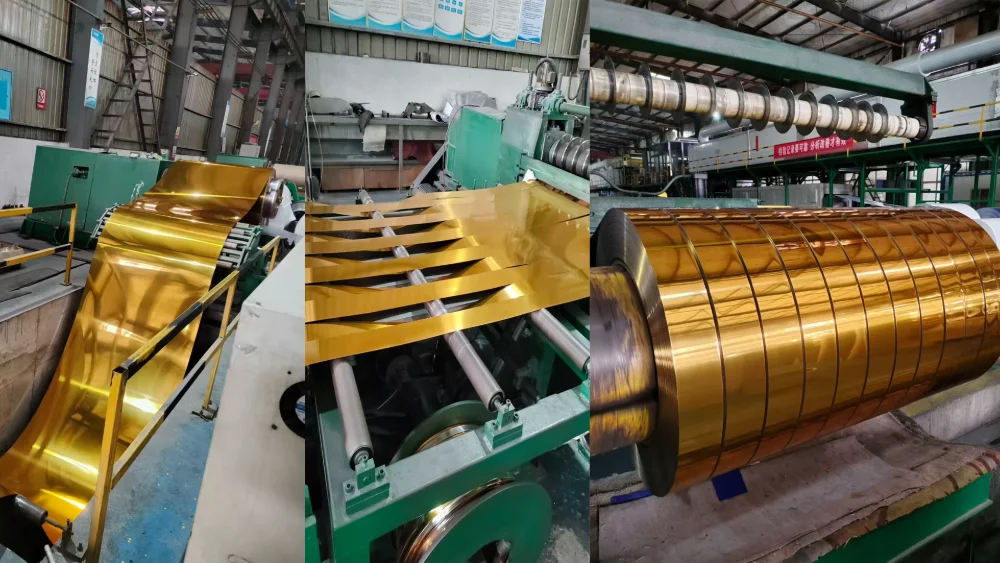
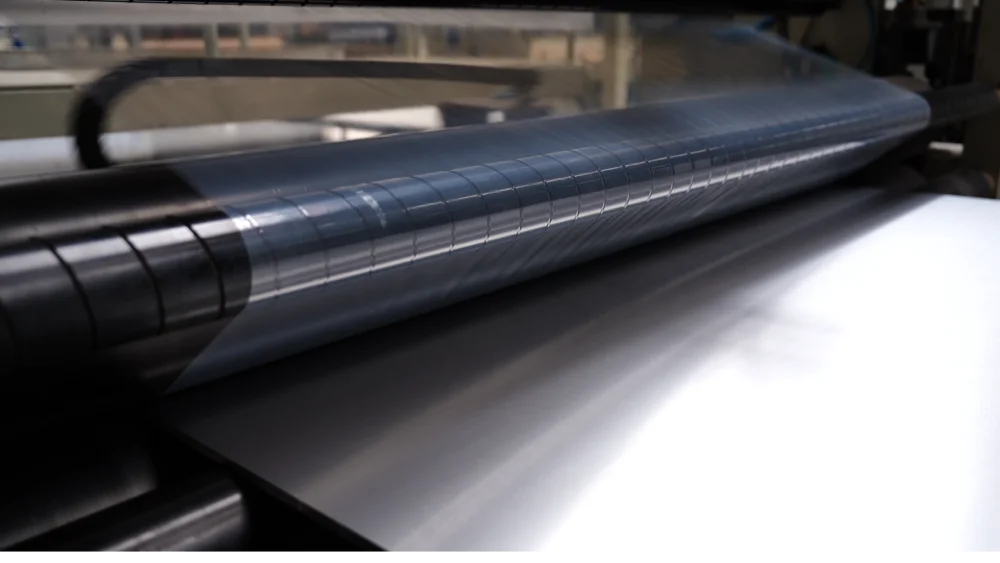
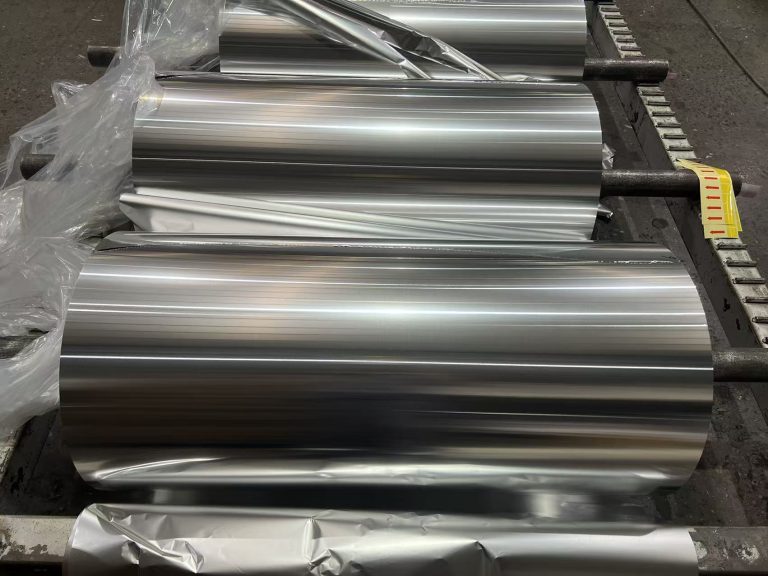
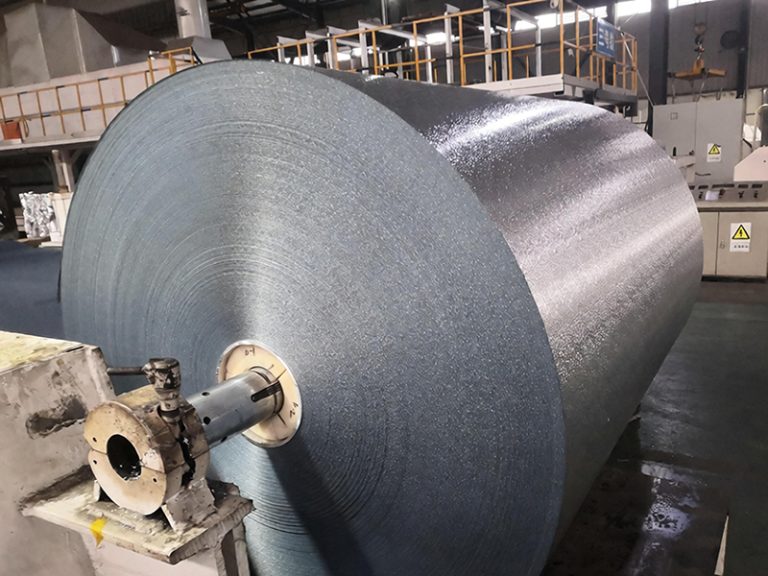
This product is a specialized roll material designed for moisture-proof and barrier layers, featuring a 6/6.5 μm high-purity aluminum foil as its core barrier layer and incorporating a combination of various composite material structures. It is widely used in applications such as building thermal insulation and moisture-proof layers, cold-chain packaging, desiccant packaging, and high-end flexible packaging. Its core value lies in achieving near-absolute moisture-proof, oxygen-barrier, and light-blocking properties through the use of ultra-thin aluminum foil.
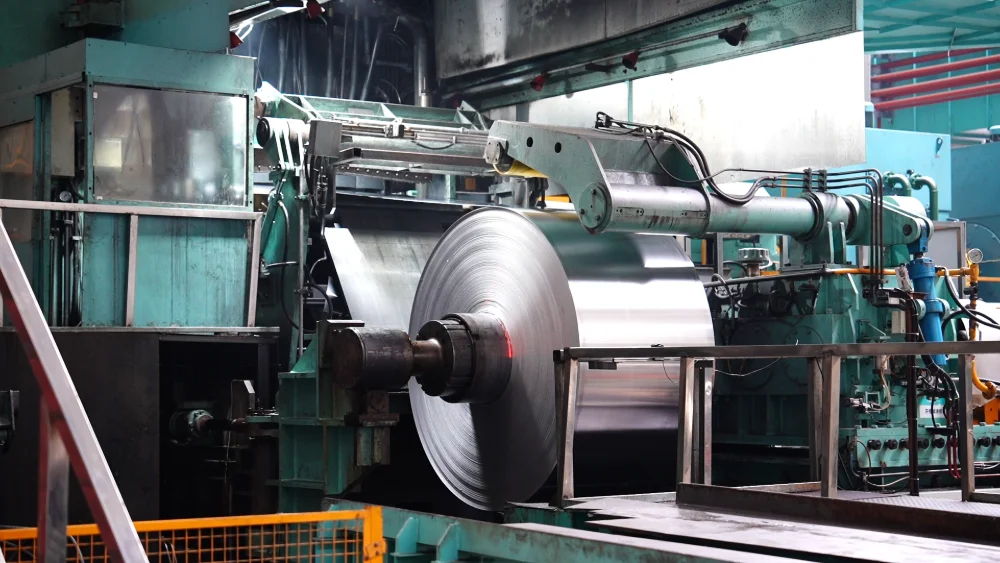
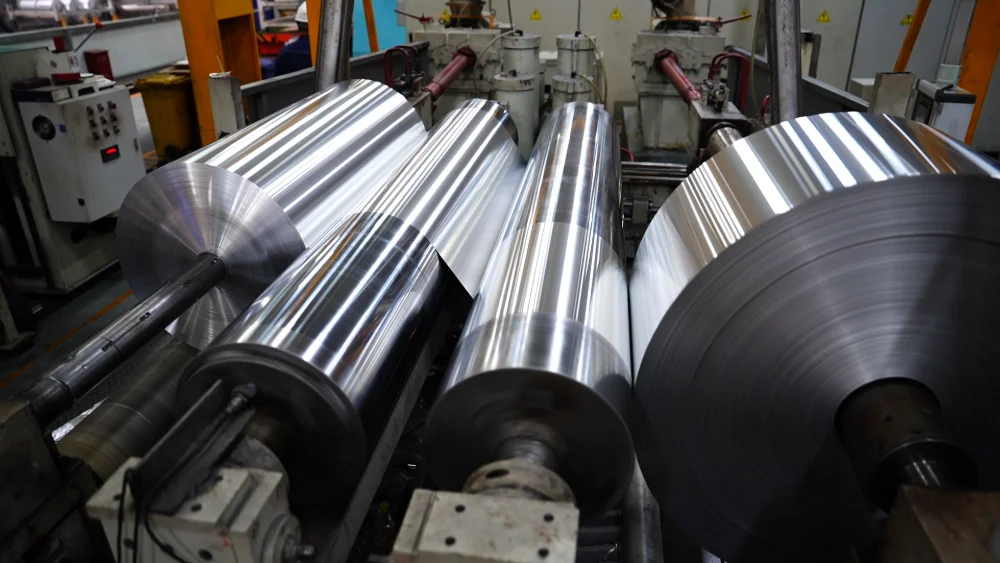
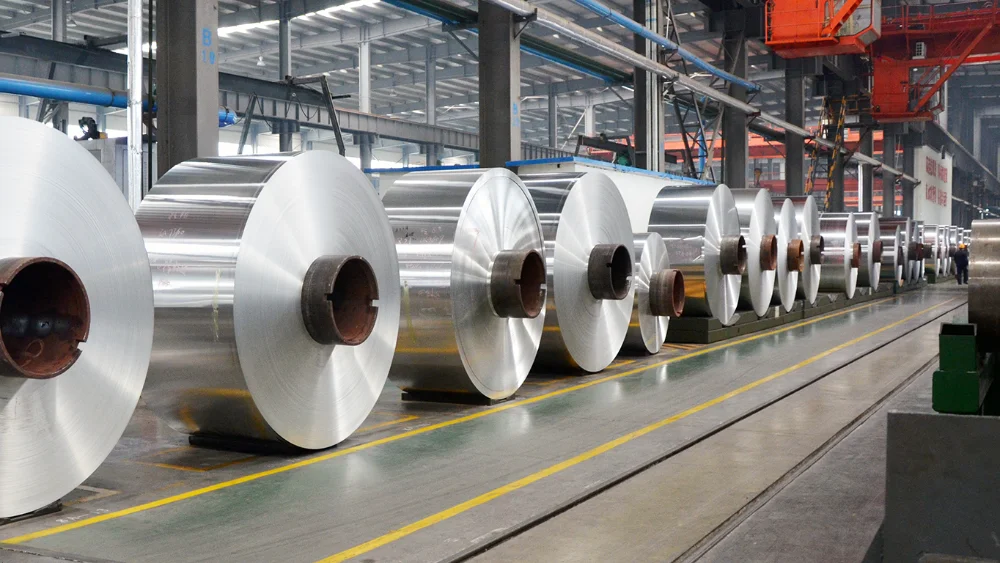
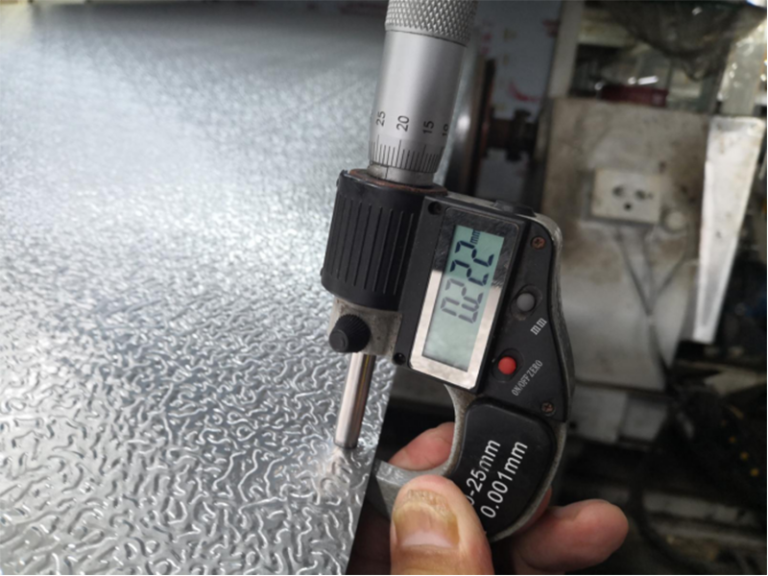
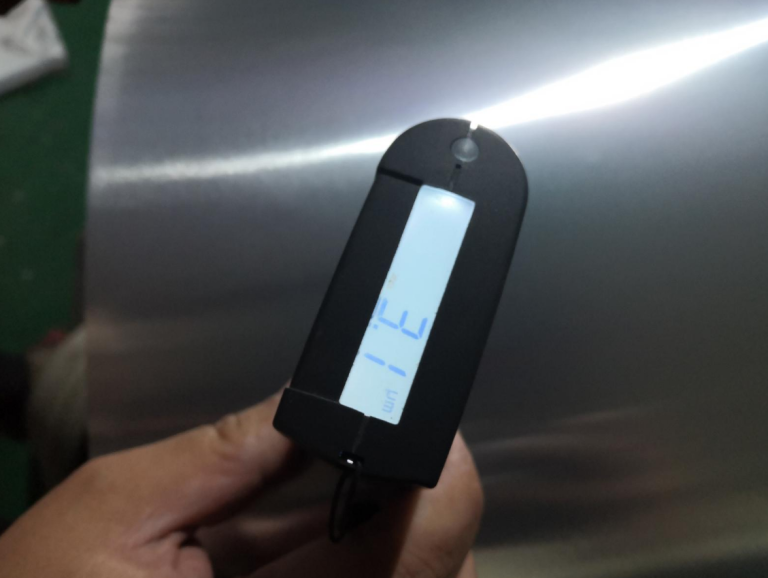
A thickness of 6 micrometers is approximately one-tenth the diameter of a human hair; this “double-zero foil” is produced from industrial-grade pure aluminum through multiple cold-rolling processes. Within the composite structure, this ultra-thin aluminum layer plays a critical role as the “barrier core” of the entire system.
Main Function of 6/6.5 mic aluminum foil for VAPOR BARRIER
1. Exceptional Water Vapor Barrier Performance
6-micron aluminum foil has an extremely low water vapor transmission rate. Under standard test conditions, composite materials containing aluminum foil can maintain a water vapor transmission rate (WVTR) of < 0.1 g/m²·24h.
This is because the dense metallic lattice structure of aluminum foil provides an absolute physical barrier against water molecules—unlike plastic films, which rely on molecular adsorption and desorption to block water vapor, aluminum foil acts as a true physical barrier, provided the aluminum foil layer is free of defects. For this reason, as long as the composite structure includes a single intact layer of aluminum foil, it can effectively keep water vapor out and protect the enclosed materials from moisture.
2. Full-Spectrum Light Shielding
Aluminum foil is inherently opaque, with a reflectance of 88–92%. In a composite structure, a 6-micrometer aluminum foil layer can block 100% of ultraviolet and visible light, effectively preventing products from oxidizing, fading, or deteriorating due to light exposure. This is particularly important for food, pharmaceuticals, and light-sensitive chemical products that require long-term storage.
3. Gas and Odor Barrier
The aluminum foil layer almost completely blocks the permeation of oxygen and other gases. The oxygen transmission rate (OTR) of aluminum foil-containing composite materials can be as low as < 0.5 cm³/m²·24h·atm. At the same time, it effectively locks in the product’s internal aroma and prevents external odors from penetrating, ensuring the purity of the contents’ scent.
4. Key Trade-off: Balancing Thickness and Reliability
6 μm is considered an ultra-thin gauge for aluminum foil. While maintaining good barrier performance, it offers lower cost, better flexibility, and lighter weight per unit, making it an ideal choice for flexible composite materials.
However, it should be noted that the thinner the aluminum foil, the higher the probability of pinholes (micropores invisible to the naked eye) forming during the production process. The number of pinholes in 6 μm aluminum foil may be significantly higher than in thicker foils of 12 μm or more. This is precisely the fundamental reason why this product employs a composite structure—by combining it with other materials, the adhesive and adjacent layers can “seal” these pinholes, ensuring the integrity and reliability of the overall barrier performance.
Seven Vaper Barrier Composite Structures and Their Applications
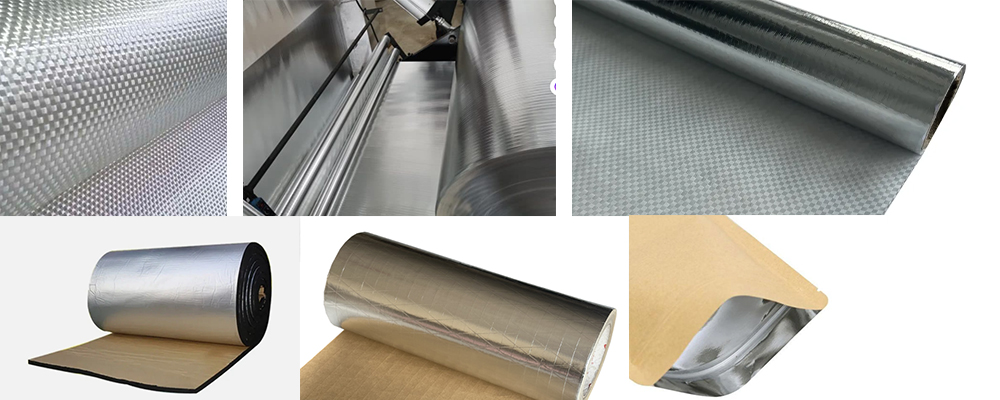
Composite Structure |
Characteristics and Applications |
|---|---|
| Aluminum foil + Kraft Paper + PE Coating | Basic moisture-proof structure. Kraft paper provides mechanical strength and stiffness, while the PE coating offers heat-sealability and additional moisture resistance. Suitable for general packaging liners and moisture-proof paper rolls. |
| Aluminum foil + Scrim + Kraft Paper + PE Coating | The addition of scrim (open-weave reinforcement mesh/fiberglass mesh) significantly enhances tear and tensile resistance. Suitable for heavy-duty products or industrial packaging requiring higher physical strength. |
| Aluminum foil + Scrim + WHITE Kraft Paper | The use of white kraft paper enhances appearance and print quality while maintaining moisture barrier functionality. Suitable for mid- to high-end packaging where appearance is a key consideration. |
| Aluminum foil + Scrim + FLAME RETARDANT Natural Kraft Paper | Flame-retardant kraft paper provides the material with fire-resistant properties. Suitable for applications with fire safety regulations, such as building moisture barriers and ventilation duct wrapping. |
| Aluminum foil + Scrim + Polyester Film + PE Coating | Polyester film (PET) provides the material with enhanced puncture resistance, scratch resistance, and dimensional stability, while further improving barrier properties. Suitable for high-demand industrial or food packaging. |
| Aluminum foil + Fiberglass Fabric + PE Film | Fiberglass fabric offers extremely high tensile strength and heat resistance. Suitable for moisture-proof insulation layers on high-temperature pipes and thermal insulation and moisture-proof systems for building roofs. |
| Aluminum foil + PE Film | The simplest structure. Aluminum foil provides barrier properties, while the PE film offers heat-sealability and additional moisture protection. Suitable for lightweight moisture-proof packaging, bag liners, and other applications requiring high flexibility. |
| Color coated Fiberglass Fabric + PE Film | Without an aluminum foil layer, this combination relies on the color-coated fiberglass fabric and PE film to provide partial moisture protection and decorative functions. While its barrier performance is inferior to aluminum foil-based structures, it is suitable for thermal insulation or decorative applications with less stringent moisture protection requirements. |
Summary of Core Characteristics
Core Barrier Function: The 6/6.5 micron aluminum foil layer provides high barrier properties against water vapor, oxygen, light, and odors, serving as the cornerstone of the composite system’s moisture-proof performance.
Structural Synergy: Each layer of material serves a specific purpose—kraft paper, fiberglass cloth, and scrim provide mechanical strength and tear resistance; PE and PET provide heat sealability and puncture resistance; and flame-retardant kraft paper meets fire safety requirements.
Tailored Design: Seven different structures meet diverse needs ranging from lightweight consumer packaging to heavy-duty industrial moisture protection, and from standard environments to high-temperature and fire-resistant environments, with flexible customization options.
Lightweight Advantage: Ultra-thin 6-micron aluminum foil keeps the overall weight of the roll material low, reducing transportation costs without compromising its core barrier function.
Eco-Friendly and Recyclable: The composite material can be designed for recycling (e.g., paper-aluminum separation design), aligning with sustainability trends.